Make a Kitchen Word Theme With a Consistent Scope
Create a kitchen-themed word search by choosing a consistent group of objects rather than an overloaded vocabulary list.
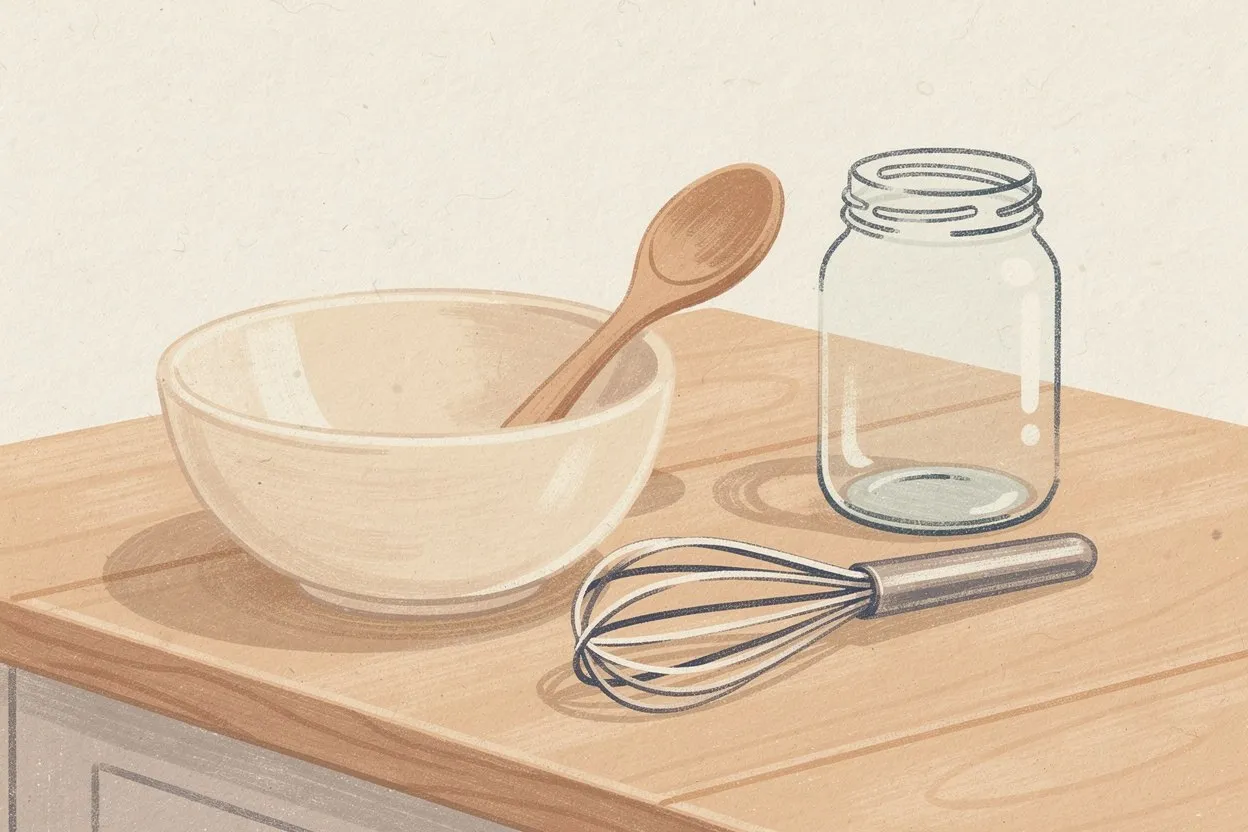
A kitchen theme is familiar enough to make a welcoming word search, but it still benefits from a clear scope. Utensils, ingredients, appliances and cooking actions are different groups. Combining too many at once can make the title less informative and the word list harder to check. Start with one small collection of everyday terms, then expand only if the puzzle still feels coherent.
Pick a specific kitchen scene
Imagine the objects used for one simple activity, such as setting a table or preparing ingredients. A table-setting list might contain PLATE, BOWL, CUP, FORK and SPOON. A preparation list could include KNIFE, BOARD, SIEVE, PEELER and WHISK. Use these as examples to build your own list rather than as a required set.
A scene gives the player a useful mental picture. It also helps you decide what to leave out. A word can belong to a kitchen in general while still being a poor fit for the particular scene you chose.
Decide how technical the language should be
For a casual first puzzle, favor words that the intended players are likely to recognize. Specialist equipment can make an interesting theme, but label it accordingly. A puzzle described as “everyday utensils” should not depend on obscure professional terms without explanation.
Avoid treating regional vocabulary differences as mistakes. If two familiar names exist for an object, choose one for the grid and display it clearly. You can mention alternatives in accompanying notes, but the target word itself should remain unambiguous.
Check word forms before generation
Review singulars, plurals and spelling. A consistent list of object names is easier to read than an accidental mix of objects and verbs. If you intentionally mix forms, make sure the title or introduction explains the broader theme.
Use the puzzle maker to inspect how entries are normalized. Spaces, punctuation or accented characters may be handled differently from plain alphabetic words. Check the final displayed list rather than assuming that the input was preserved exactly. Replace entries that become unclear after normalization.
Balance lengths and difficulty
A few short words can provide early progress, while longer words add variety. Check that the longest entry fits the selected grid under the allowed placement rules. Increasing the number of targets without increasing available space may make generation harder or the result visually crowded.
On a phone, readability matters as much as word count. Try the generated puzzle at the size you expect to use. If letters feel cramped, reduce the list or choose a smaller set of shorter words rather than relying on constant zooming.
Test the theme as a player
Read the instructions, select a few words and check that the game recognizes the complete paths. The word search game is the place to test the actual interaction, not just the appearance of the grid.
Keep the theme separate from cooking advice. A word list does not establish how to use a knife, store food or operate an appliance safely. Its purpose is to provide a clear, enjoyable set of words to locate. Save the source list locally and keep a separate copy if you want to reuse it on another device.